

Sex Hormones 101: How They Keep You Thriving Through Change (Part 1 of 3)
What are sex hormones, really?
They’re powerful chemical messengers made from cholesterol that coordinate functions across your entire body. Women and men have the same three main sex hormones — just in different amounts and patterns throughout life:
Oestradiol (the most potent oestrogen – your pre-menopause superstar)
Progesterone (the calming balancer)
Testosterone (supports energy, libido, muscle and bone strength)
These hormones don’t just affect reproduction — their receptors are found throughout your body:
Brain (mood, memory, sleep)
• Heart & blood vessels
• Bones & muscles
• Skin & hair
•Eyes & saliva glands
• Bladder & vagina
• Gut
• Mitochondria (cell energy factories)

Common symptoms linked to these changes
Symptoms vary hugely woman to woman, but here are some of the most reported:
Physical
Hot flushes & night sweats
Joint or muscle aches
Fatigue & low energy
Thinning hair or dry skin
Weight changes (especially around middle)
Genitourinary (vaginal, sexual & bladder)
Vaginal dryness & painful sex
Urinary urgency, frequency or recurrent UTIs
Emotional & cognitive
Low mood, anxiety or irritability
Brain fog & memory lapses
Sleep disturbance
Reduced libido
Remember: A wide range of symptoms may be influenced by perimenopause or menopause… but it’s essential to rule out other causes first with your clinician.
Your helpful 3-step starting point
Track your symptoms for 2–4 weeks (frequency, severity, triggers)
Book a longer appointment with your Nurse Practitioner
Take your tracker and ask: “Could changing hormones be contributing?”
Non-hormonal helpers that make a real difference
Paced breathing or mindfulness during hot flushes
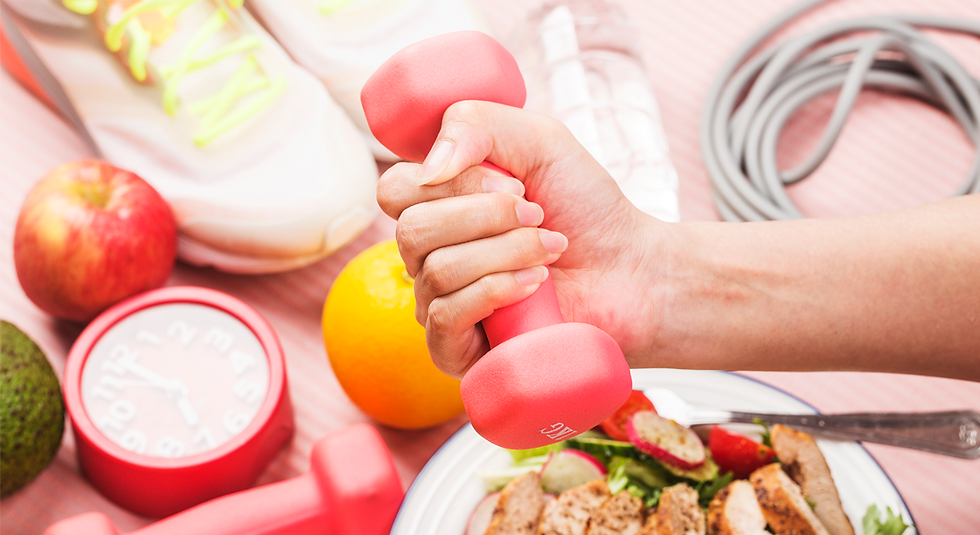
Regular movement (walking, yoga, strength training 2× week)
Cool bedroom, cotton sheets & layered bedding
Reducing personal triggers (caffeine, alcohol, spicy foods)
Prioritising protein & calcium-rich foods
Next up – Part 2: Estrogen Essentials (safe options, symptom relief & long-term
protection).
You’re not alone on this journey — knowledge is power!
If you’d like support or a personalised plan, you can reach me at:
Warmly,
Jenna
Nurse Practitioner & Menopause Educator
Sources
Australasian Menopause Society | North American Menopause Society Position Statement | Jean Hailes for Women’s Health | Monash University Practitioner Toolkit
Important Disclaimer: The information in this blog/newsletter is general in nature and intended for educational purposes only. It is not a substitute for professional medical advice, diagnosis, or treatment. Always seek the advice of your Nurse Practitioner, doctor, or another qualified health practitioner with any questions you may have regarding a medical condition or before commencing any new treatment, exercise program, changing your diet, or taking supplements – particularly if you have existing health conditions, are on medication, or have had fractures or falls in the past. Individual needs and responses vary.


Comments