

Building Strong Foundations: Weight Training, Protein, and Bone Health in Perimenopause, Menopause, and Beyond
If you’ve felt the subtle (or not-so-subtle) shifts in your body during perimenopause—like that extra ache in your joints or a sneaky dip in energy—you’re spot on that it’s time to talk strength.
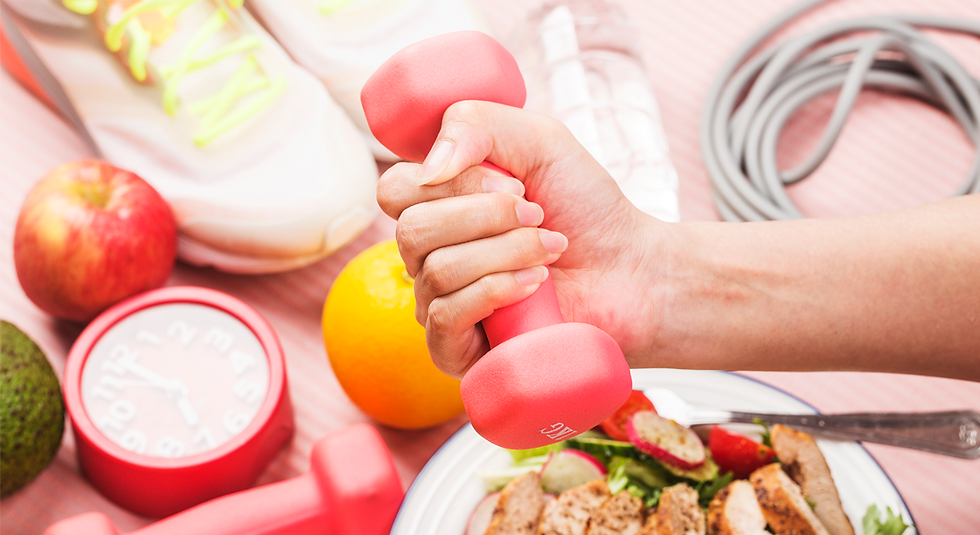
As we navigate these stages, our bones and muscles need extra TLC, especially with osteoporosis lurking as a silent risk. But here’s the uplifting Aussie truth: incorporating weight training and smart protein intake isn’t just about prevention—it’s a game-changer for vitality, confidence, and long-term health.
Drawing from trusted local guidelines, this edition unpacks the why, the how, and the hope, so you can lift your way to a stronger you. Whether you’re in the thick of perimenopause flushes or settling into post-menopause freedom, let’s build resilience together.
The Hidden Risk: Osteoporosis in Midlife and Beyond
Menopause marks a pivotal shift for bone health, thanks to plummeting oestrogen levels that once protected your skeleton. In perimenopause, fluctuations start the subtle erosion; by menopause (average age 51 in Australia), bone loss accelerates, and post-menopause, it becomes a steady concern—potentially spanning decades.
Osteoporosis, or “brittle bones,” affects an estimated 23% of Aussie women over 50, making fractures from simple falls a real threat (think hip, spine, or wrist). Around 42% of Australian women over 50 face a lifetime risk of an osteoporosis-related fracture—most from a simple fall from standing height. Post-menopause, oestrogen’s absence means bones break down faster than they rebuild, with women losing up to 2% density annually in the first few years.
Risks spike if you smoke, drink heavily, or have a family history, but even without those, the hormonal drop puts us all in the spotlight. The good news? Early action—like the strategies below—can slash fracture risk by up to 50%, per Healthy Bones Australia.
Why Weight Training is Your Menopause Superpower ?
Enter resistance training (think weights, bands, or bodyweight moves): it’s not just for gym buffs—it’s essential medicine for our bones and beyond. During
perimenopause, it counters early muscle loss (sarcopenia); in menopause, it halts the 1–2% annual decline; and post-menopause, it rebuilds what time (and hormones) have taken.
Key Effects and Benefits:
Bone Boost: Loading bones stimulates density gains—studies show postmenopausal women can increase hip and spine strength by 1–3% yearly, directly fighting osteoporosis.
Muscle Maintenance: Oestrogen dips erode lean mass (up to 3–5% per decade post-40), slowing metabolism and raising fall risk. Weight training preserves or builds it, enhancing balance and daily ease.
Metabolic Magic: It regulates blood sugar, curbs midlife weight gain, and eases insulin resistance—vital as visceral fat rises.
Whole-Body Wins: Better sleep, mood lifts (via endorphins), reduced hot flush severity, and heart health perks. Aussie experts from the Australasian Menopause Society highlight it as a top non-drug therapy for symptom relief.
Start light:
2–3 sessions weekly, 8–12 reps of compound moves like squats or rows. No gym? Home dumbbells or resistance bands work wonders.
Your 3-Move “Strong in 10 Minutes” Home Routine (2–3× per week)
Goblet Squat (hold a heavy bag of groceries or a dumbbell) – 10–12 reps
Push-ups on knees or against a wall – 8–12 reps
Single-arm row (use a tin of beans or dumbbell) – 10–12 reps each side
Rest 60–90 sec between moves. Progress by adding a rep or two each week.
Fueling the Fire: The Role of Protein Intake – Protein isn’t optional—it’s the building block for muscles and bones, and menopause amps up our needs as absorption dips and repair slows.
In perimenopause, it helps stabilise weight amid hormonal chaos; during menopause, it supports training gains; post-menopause, it prevents frailty.
While collagen peptides are popular, current evidence shows they are not superior to regular dietary protein (chicken, eggs, lentils, etc.) for bone density. Save your money unless you love the taste!
Australian guidelines set the base RDI at 0.75–0.84g/kg body weight/day for women, but for midlife maintenance and activity, experts recommend 1.0–1.2g/kg—that’s about 70–84g daily for a 70kg woman. Active? Aim 1.4–1.6g/kg to maximise muscle synthesis. Prioritising protein (e.g., 25–30g per meal) can even ward off perimenopausal weight creep by curbing hunger and boosting satiety.
Easy Sources:
Lean meats, fish, eggs (20–30g per serve).
Plant power: Lentils, chickpeas, tofu (15–25g).
Dairy: Greek yoghurt, cheese (10–20g).
Snacks: Nuts, seeds, or protein shakes for quick hits.
Spread it out—post-workout is prime for recovery.
Essential Nutrients: Vitamins, Minerals, and Where to Source Them: Weight training and protein shine brighter with the right cofactors. Focus on these bone heroes, per Jean Hailes and Healthy Bones Australia—test levels with your health practitioner first, as over-supplementing isn’t wise.
Calcium (1000–1300mg/day): The bone scaffold. Post-menopausal women need the higher end to offset loss. Sources: Whole foods like dairy (milk, yoghurt: 300mg/glass), leafy greens (kale, broccoli: 100–200mg/serve), fortified plant milks, or almonds.
Vitamin D (600–2000 IU/day): Unlocks calcium absorption and aids muscle function. Deficiency hits up to 36% of Aussie women in winter. Sources: Sunlight (10–15 mins midday, arms/legs exposed, sans sunscreen—safely, per Cancer Council). Foods: Fatty fish (salmon: 400 IU/serve), eggs, fortified cereals.
Magnesium (310–320mg/day): Partners with calcium for bone matrix and eases cramps/mood swings. Sources: Whole foods like spinach, nuts/seeds (pumpkin: 150mg/handful), wholegrains, dark chocolate.
More than 4 coffees or 2 standard drinks daily can increase calcium loss – easy swap: try decaf or sparkling water with lemon. Pair with Vitamin K2 (from fermented foods like natto) for directing calcium to bones, not arteries. Hydrate and limit salt to retain minerals.
Your Strong Start: Tips and Aussie Resources – Ready to lift? Begin with a check-in with your health practitioner for bone density guidance and tailor to your stage. Join free programs via Osteoporosis Australia or Jean Hailes webinars. Track progress in our community—small wins build big strength.
Menopause isn’t a slowdown—it’s your cue to get fierce.
With weight training, protein smarts, and nutrient savvy, you’re fortifying not just bones, but a vibrant life ahead.
Cheers to your power,
The Menopause & Me Team
P.S. Missed our recent editions? → Embrace the Change (perimenopause, menopause & post-menopause)??
They’re all saved on the website for you anytime in the blog section
Important Disclaimer: The information in this blog/newsletter is general in nature and intended for educational purposes only. It is not a substitute for professional medical advice, diagnosis, or treatment. Always seek the advice of your Nurse Practitioner, doctor, or another qualified health practitioner with any questions you may have regarding a medical condition or before commencing any new treatment, exercise program, changing your diet, or taking supplements – particularly if you have existing health conditions, are on medication, or have had fractures or falls in the past. Individual needs and responses vary.


Comments